Choosing the right fencing material can be quite the problem. After all, it's not almost visual appeals; it's about sturdiness, maintenance, and cost-effectiveness too. With so many alternatives on the marketplace-- wood, vinyl, and metal-- it's simple to feel overloaded. As an experienced fencing company, we're here to guide you through the decision-making procedure and assist you comprehend how to choose in between wood, vinyl, and metal from an expert's perspective.
Understanding Fencing Products: An Overview
When stepping into the world of fencing materials, a few crucial players dominate the scene: wood, vinyl, and metal Each choice has its own special qualities that cater to different requirements and preferences.
The Appeal of Wood Fencing
Wood is possibly one of the earliest products utilized for fencing. It evokes a sense of custom and warmth that many house owners like.
Types of Wood Fences
Picket Fence: A classic option that uses appeal but minimal privacy. Slat Fence: Uses more personal privacy than a picket fence while maintaining a stylish look. Timber Paling: Understood for its resilience and effectiveness in supplying security.Pros of Wood Fences
- Natural aesthetic appeal Versatile design options Can be painted or stained
Cons of Wood Fences
- Requires regular maintenance Prone to rot or insect damage Can warp over time
Vinyl Fencing: The Modern Alternative
Vinyl fences have actually gained appeal recently due to their low maintenance and smooth appearance.
Characteristics of Vinyl Fencing
- Made from strengthened PVC Available in numerous designs consisting of picket and personal privacy fences
Pros of Vinyl Fences
- Low upkeep; no painting or staining required Resistant to bugs and rotting Durable versus harsh weather condition conditions
Cons of Vinyl Fences
- Higher upfront cost than wood Limited color alternatives compared to paintable wood
Metal Fencing: Strength Meets Style
Metal fencing-- consisting of products like Colorbond or tubular steel-- is known for its resilience and modern-day look.
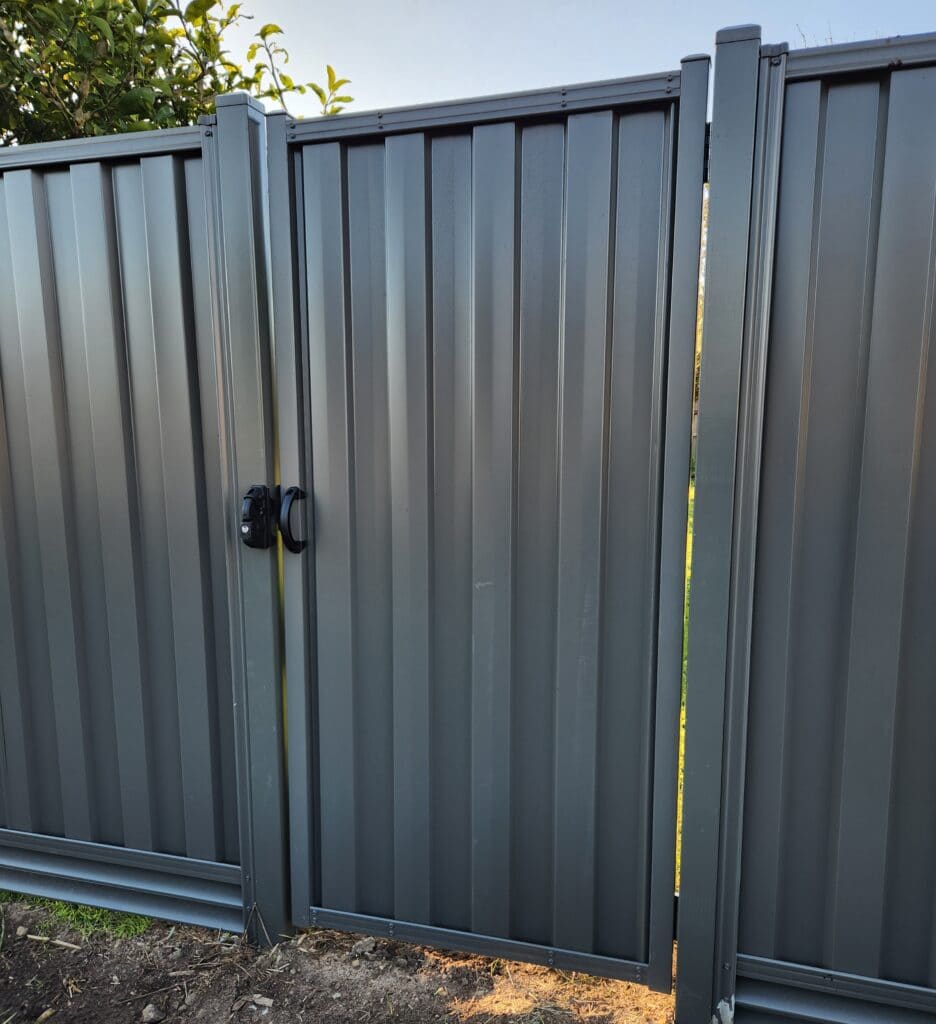
Types of Metal Fences
Colorbond: A popular option in Australia that provides a wide range of colors. Tubular Steel: Deals strength and security without sacrificing style. Blade Fence: Supplies a sleek, modern-day appearance.Pros of Metal Fences
- Extremely durable and long-lasting Low upkeep requirements Excellent security features
Cons of Metal Fences
- Can be costly upfront Limited style flexibility compared to wood
How to Pick In between Wood, Vinyl, and Metal: A Fence Company's Perspective
Selecting the ideal fencing material frequently boils down to individual choice blended with practical factors to consider such as spending plan, location, and intended use.
How Do You Specify Your Needs?
Before diving headfirst into product choice, ask yourself these questions:
What is my main objective for this fence? (e.g., personal privacy, decor) What is my budget? How much maintenance am I happy to commit? What climate does my home experience?Crafting Your Decision Matrix
|Product|Cost (Per Linear Foot)|Lifespan|Maintenance|Aesthetic Appeal|| --------------|-------------------------|---------------|---------------|-------------------|| Wood|$15-$30|5-15 years|High|Classic|| Vinyl|$20-$40|20+ years|Low|Modern|| Metal|$25-$50|20+ years|Really Low|Streamlined|
This table offers a concise photo comparing different materials based upon vital aspects that can help in your decision-making process.
Long-Term Considerations When Picking Fencing Materials
While it might be appealing to choose what looks good at first or what fits your budget best initially look, think about the long-term ramifications also:
The Durability Factor
Your option will affect not just how your property looks but also how well it stands up against time.
Maintenance Expectations
Some materials need regular maintenance-- believe staining https://onthefencing.com.au/ or painting wood versus simply hosing down vinyl or metal fencing.
Local Climate Impacts on Product Choice
Your geographical location plays a vital function in identifying which kind of fence is most ideal for your property:
Humid Climates
In areas prone to moisture:
- Opt for vinyl or metal over wood to avoid rot.
Dry Climates
For arid regions:
- Both wood (dealt with correctly) and metal can carry out well but might need different treatment approaches.
Aesthetics vs Performance in Your Fence Choice
You might enjoy the rustic charm of a timber paling fence but realize that it does not provide the level of security you require-- what do you do?
Balancing Charm with Purpose
Finding a balance between looks and functionality is important:
Explore combinations (like using slats with solid panels). Consult with your local fence company for customized services tailored to your design choices while making sure functionality.Installation Factors to consider by Your Chosen Fence Company
Choosing an expert fencing company is crucial when it comes time for installation:
Factors Affecting Installation Timeframes
Different products include varying installation timelines:
Wood might take longer due to cutting and treatments needed. Vinyl panels often get here pre-manufactured. Metal setups might require specific skills depending on complexity.Professional vs DIY Installation
While do it yourself jobs can save money up-front, they typically result in headaches if you're not experienced in handling particular products or tools required for installation.
FAQs About Selecting Among Wood, Vinyl, and Metal Fencing Materials
Here are some typical questions our customers ask when considering fencing choices:
1. What's the most affordable option?
The initial cost varies widely amongst materials; nevertheless, long-lasting expenses should likewise be thought about because lower-maintenance options like vinyl might conserve money in time despite greater upfront costs.
2. For how long will each type last?
Generally speaking:
- Wood lasts about 5-- 15 years, Vinyl can last upwards of twenty years, Metal typically outlasts both at around 20+ years with proper care.
3. Which product requires more upkeep?
Wood needs routine examination for rot/pests together with repainting/staining every few years; vinyl requires little care besides periodic cleansing while metal needs very little attention unless rust occurs.
4. How can I enhance security with my selected fence?
Choose taller designs with less gaps in between slats (like strong panel variations) or consult your fencing company relating to including features like barbed wire on the top if desired!
5. Exist environment-friendly options available?
Yes! Keep an eye out for sustainably sourced wood items or recycled plastic/vinyl options that reduce environmental effect without sacrificing quality.
6. Can I paint my vinyl fence?
While technically possible; it's typically discouraged since these finishes might void guarantees-- stick to initial colors instead!
Conclusion: Making Your Last Choice
At the end of the day, picking in between wood, vinyl, and metal includes weighing visual appeals versus practicality while lining up choices within budget constraints-- all while keeping future upkeep expectations front-of-mind! Consulting an experienced fencing company ensures you get tailored guidance backed by expertise-- not simply sales pitches-- to help guide you towards making notified options about what will eventually frame your outside area beautifully!

With all this information at hand now-- it's time for action! Dive into discussions with trusted professionals about how best-to-fit any one-- or combination-- of these marvelous materials into YOUR home landscape vision today!